























Firing Brad Nails into PVC
On site or in the workshop, brad nailers are a go-to for clean, accurate fixing. Trims, facings, mouldings all done quick, neatly, and efficient. But when the material changes to PVC, the approach needs to change with it.
Yes, you can fire brad nails into PVC. No, you shouldn’t treat it like softwood. At The MTK Group, we help trade professionals get the fixing right first time – because the right air tools and fastenings don’t just make the job easier, they protect your finish and your reputation.
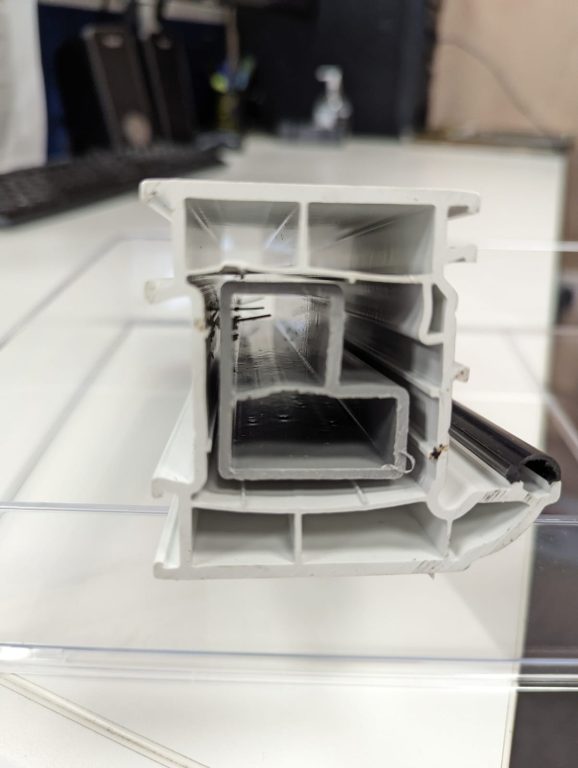
Nail Length: Get the Foundation Right
With PVC, nail length matters more than anything else. As a rule of thumb, your brad should be roughly twice the thickness of the material you’re fixing. For example, if you’re securing a 10mm PVC trim, a 20mm brad will give enough holding strength without driving too far through the surface or cracking the PVC. Too short and the fixing won’t bite properly; too long and you risk cracking or distortion. PVC doesn’t forgive poor fastening choices, so start with the correct length.
Gauge: Balance Strength and Finish
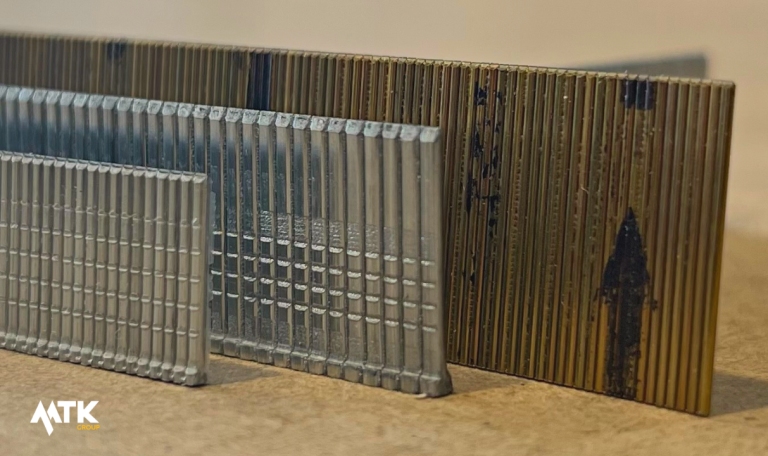
Brad nails come in different gauges, and the key is balancing holding power with a clean finish. Headless 23 gauge pins give an ultra-clean finish, but usually need adhesive support for strength. Heavier 16 or 15 gauge nails offer a strong hold, but can split thinner PVC and leave the head more visible. For most PVC trims and facings, 18 gauge nails hit the sweet spot, strong enough for a reliable hold, subtle enough for a professional finish. At MTK, we always recommend testing your chosen gauge on an offcut before committing to the full job.
Stainless Steel Isn’t Optional Outdoors
PVC is often used around window frames, external cladding, soffits, fascias, and moisture-prone internal areas. In these environments, stainless steel brads aren’t a luxury, they’re essential. They resist corrosion, prevent rust staining, and protect your finish long term. If it’s exposed to moisture, don’t compromise.
Technique: Small Adjustments, Big Difference
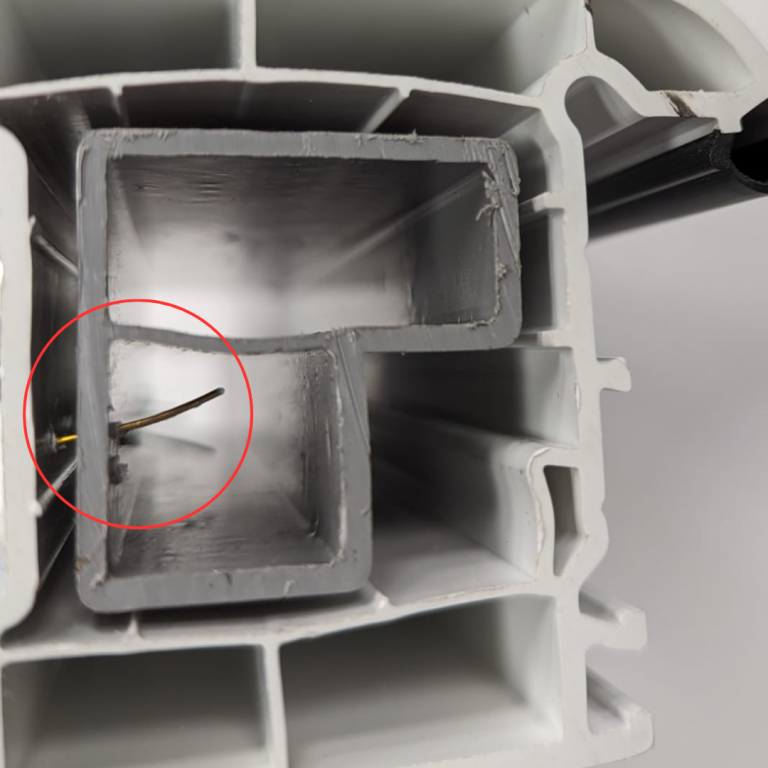
How you fire the nails makes as much difference as what nails you choose. Vary the angle slightly rather than driving every brad dead straight, as this helps lock the fixing in place. Always consider what you’re nailing into: softwood penetrates easily, but dense backing or plasterboard may need a slightly thicker gauge to avoid bending. Adjusting air pressure for PVC is crucial too — too much force and the material can mark or crack. A quick check and adjustment before you start saves headaches later.
Test Before You Commit
PVC density and coatings vary between manufacturers. Testing on an offcut first is always worth the extra two minutes. Confirm nail length, gauge, depth, and air pressure settings before touching visible surfaces. Small preparation, big difference.
Key Points for PVC Fixing

Brad nails can be used successfully with PVC when the right considerations are applied. Focus on selecting a nail length about twice the thickness of the material, choosing a gauge suited to the job, and opting for stainless steel where moisture is a factor. Adjusting angles and air pressure for the material, and testing on an offcut first, helps ensure a secure, clean, and long-lasting result. These simple steps make the job smoother and help maintain a professional finish every time.
Why Trade Professionals Work with The MTK Group
At The MTK Group, we supply trade-grade brad nailers, stainless steel brads, pneumatic tools, and specialist fastenings built for performance on site and long-term reliability. If you’re unsure which tool or fastener is right for your job, our Fastener Match Service and expert support team are just a call, email, or WhatsApp away. Get in touch on 0333 8000 345, email [email protected], or DM us on social media @theMTKgroup.
At MTK, it’s not just about selling fastenings — it’s about helping you fix it right, first time.