























A Guide to Staple Types and Their Uses
Staples may seem like a simple fastener, but choosing the right type for your application can make all the difference in durability, strength, and overall performance. Whether you’re working in upholstery, construction, joinery, or packaging, understanding staple types will help you get the best results.
At MTK, we supply a wide range of staples tailored to different industries. In this guide, we’ll break down the key staple types, their finishes, and why it’s important to select the right one for the job.
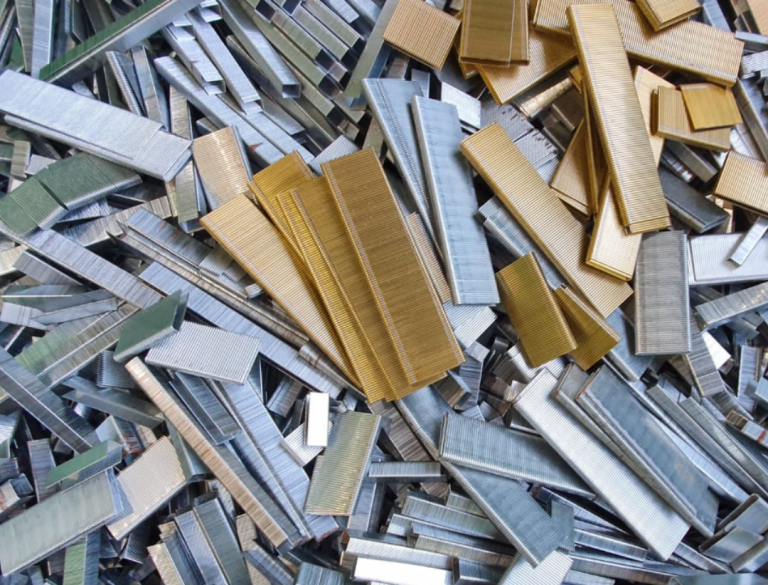
Staple Finishes: Why They Matter
Staples come in different finishes to provide varying levels of corrosion resistance. Choosing the right finish is crucial, especially if your project will be exposed to moisture or harsh environments.
•Bright Finish – These staples have no protective coating, making them susceptible to rust. They are best suited for indoor use in dry conditions.
•Galvanised – Coated with a thin layer of zinc, these staples offer moderate corrosion resistance, making them suitable for general indoor applications.
•Stainless Steel – The best choice for outdoor use, stainless steel staples offer full corrosion resistance. They are widely used in boat building, fencing, and applications involving woods like cedar and redwood, which can cause unsightly black marking when used with non-stainless fasteners.
Different Staple Types: Which One Do You Need?
Staples are categorised by wire thickness, which determines their holding power and suitability for different materials.
•Fine Wire Staples – These are commonly used in upholstery, as well as for fabric, insulation, and lightweight materials. Popular examples include 71 and 80 Series staples.
•Medium Wire Staples – Slightly thicker, these staples are used for fixing heavier materials or attaching wood to wood. A common type is the 90 Series staple, which is ideal for applications requiring more strength.
•Heavy Wire Staples – The thickest option, heavy wire staples are designed for structural applications, including furniture framework and roofing. The 14 Series is a great example of a strong, heavy-duty staple. For packaging and securing pallets, wide crown staples like the 17 Series are commonly used. These offer a large surface area for holding materials in place.
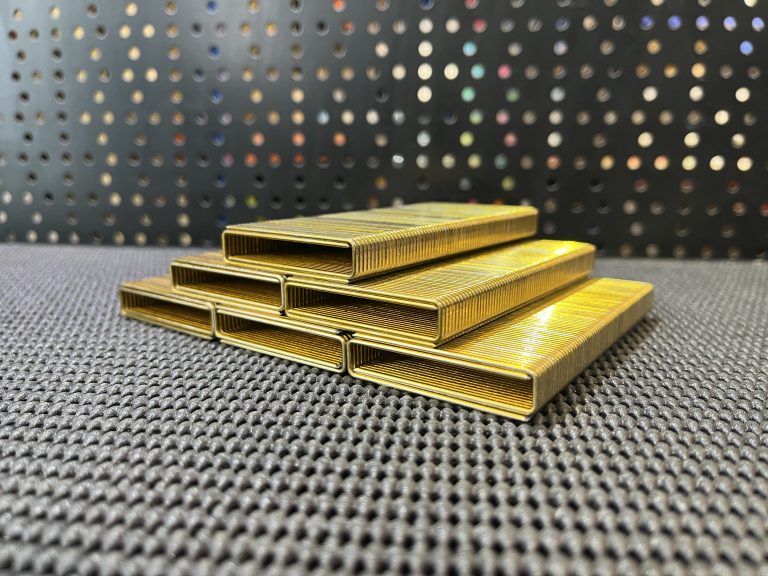
Key Staple Dimensions: Crown & Leg Length
Each staple has two key measurements:
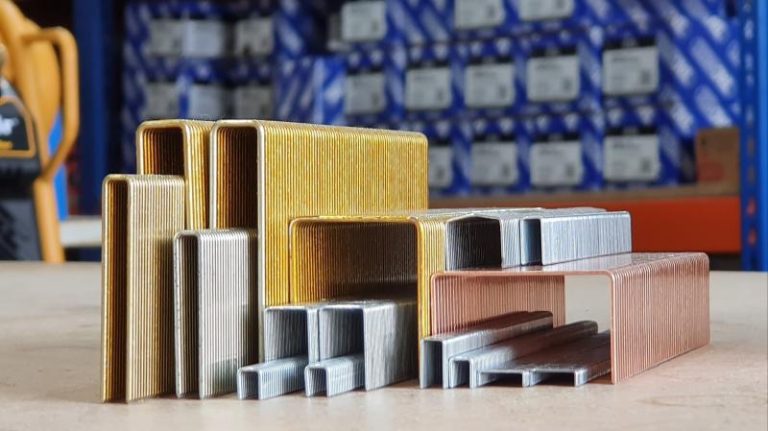
•Crown Size – The width of the staple across the top. Different staple series have fixed crown sizes to suit specific applications.
•Leg Length – The length of the staple legs determines how deep it penetrates the material. Choosing the right leg length ensures the staple holds securely without piercing through.
💡 Tip: Always match your staple size to your material thickness. If the legs are too short, the staple won’t hold effectively. Too long, and it could cause damage to the workpiece.
Divergent Point Staples: Extra Holding Power
For applications where maximum grip is needed, divergent point staples are a great option. These staples have specially cut legs that spread out in opposite directions when driven into the material, increasing holding power.
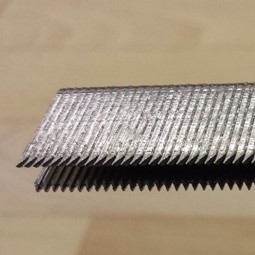
📌 Common Uses: Flooring, furniture assembly, and other high-strength applications.
⚠️ Safety Note: When using divergent point staples, be mindful of hand positioning, as the staple legs can sometimes travel unpredictably in wood.
Find the Right Staples at MTK
At MTK, we provide expert advice to help you select the best fasteners for your job. Whether you need staples for upholstery, construction, or packaging, we stock high-quality options with fast delivery and competitive pricing.
Need help choosing the right staples?
Get in touch with our team on 0333 8000 345, email [email protected], or DM us on social media @theMTKgroup.